Showing posts with label Food. Show all posts

Wednesday, October 13, 2010

China's Agriculture

China is increasing its involvement in global markets. Agricultural exports are are allowing the farmers to create more jobs and increase their income, however their returns are not always as high as they should be. Farmers receive high prices from vegetables and not as much from the likes grain (as shown below).


Imports of soybean, cotton, animal hides, rubber, and vegetable oils have boomed, but Chinese policy makers have a growing concern that the country is relying to much on imports. China has a goal to limit grain imports to no more than 5% of the countries total consumption by 2020. They also want to expand their exports on things like livestock, soybeans, cotton, sugar, apples, and citrus over the next 5 years.

World's leading producer of cotton and leading exporter of wheat and oilseeds. China is almost self sufficient in wheat and corn. It is the world's top consumer of meat and grain.

China's agricultural exports have slowed because of the raising concerns with food safety, tighter enforcement of environmental regulations, rising labor costs and other major concerns about the Chinese economy.

http://www.ers.usda.gov/AmberWaves/June09/Features/ChinaMarket.htm

Check out the link below for more information on China's major Agricultural sectors.
http://factsanddetails.com/china.php?itemid=345&catid=9&subcatid=63

Friday, October 8, 2010

Imports - Soybeans

In an article written by John Baize, a specialist on international soybean trade, talks about China's growing impact on the soybean market in the world. He explains this in an article found here written in Nov. 2009:

China was originally self-sufficient in soybean however today China has reached to be the by far the world's largest importer of soybeans and soybean oil. It's expected that this year China could import about 52% of all the soybeans expected to be imports by all the nations in the world.

Today China is the largest market for U.S. soybean producers.

http://www.unitedsoybean.org/community.aspx?bid=3499451022295723697


Food by Regions of China


Chinese food can be divided into four different regions; Southern, Northern, Eastern and Western.

Southern Region ( Cantonese)
- High production of rice and pork but also use a large variety of meats and vegetables
- lightly flavored; stir-fry (Fried Rice)
- sweet and sour dishes
- foods in this region are most well known to Americans

Northern Region (Mandarin):
- Temperatrue crops: wheat, fruit and corn
- Wheat is most popular because of the severe weather rice is hard to produce.
- Wheat is made into noodles, pancakes and dumplings.
- Use alot of flavored sauces such as onion, garlic, cabbage, bean pastes, dark soy sauce and oyster
- Dishes such as Peking Duck, Mongolian Hot Pot and Mongolian Beef
- affected by water scarcity

Western Region (Szechwan):
- famous for use of chili peppers in variety of dishes
- most popular dishes: smoked chicken, hot and sour soup, twice cooked pork, barbeque mutton and beefsteak.
- Spices inclue five-spice powder and szechwan pepper.

Eastern Region (Shanghai):
- Rice and Wheat noodles is most popular
- Has many river and waterways so seafood is a very large part
- Cooking style is delicate and refined
- Seafood includes shrimp, fish, crab, crayfish, lobsters and oysters
- Also known for sweet and savory pastries

Wednesday, October 6, 2010

Food - Tradition vs. American

Chinese Food In China

China has always had a large, growing population. Because China has always had such a large population, it has been difficult to feed everyone. Throughout China's history, they have had to constantly adapt their eating habits. Meat has always been a scarce item. China's solution to this was to use small amounts of meat and mix it with either noodles or rice. Then they started adding vegtables. Stirfrying became the most common method of cooking within China. Not only did it conserve on meat, it conserved fuel by cooking the food more quickly.

The type of food that the Chinese eat are not what North American's consider Chinese food. The Chinese eat things like shark fins, seaweed, frogs, snakes, and even dog and cat meat. The Chinese add balance into all of their meals. While making their meals, the Chinese strive to balance color, texture, and even types of food they are eating.

Rice is China's most popular food; it can be served with any meal. Other traditional foods include; scallions, bean sprouts, cabbage, and gingerroot. Soybean curd is also a common source for protien. The Chinese do not typically eat a lot of meat with their meals. However, the most common are pork and chicken.


Chinese Food In The United States

In Aamerican, the typical Chinese dishes are listed below:
- Hot & Sour Soup
- Egg Drop Soup
- Wanton Soup
- Seafood Soup
- Egg Rolls
- Fried Dumplings
- Sesame Chicken
- Orange Chicken
- Lemon Chicken
- Chicken/Beef/Shrimp/Pork Fried Rice

If you were to order any of these in China, they will look at you like you were crazy. These are not typical entrees in China; these are Americanized Chinese foods. They have the basic idea; small pieces of meat with rice or noodles. However, they have been greatly modified, and are not what you see in China.


http://www.foodbycountry.com/Algeria-to-France/China.html

http://answers.yahoo.com/question/index?qid=20080217181254AAEXS7J

Food: Delicacies and Traditional Food of China


Zong Zi Jai

Traditional:

Jai: A traditional Chinese cuisine, mostly comprised of root vegetables. An example of a traditional Jai dish inculdes: cabbage, tofu, tang hoon noodles, black mushrooms, and mock duck.
Jiaozi Dumpling: Crescent shaped dumplings with pleated edges, normally filled with meat or vegetables. The filling ingredients are enclosed in a thick flour and water dough and then boiled. Usually served with a ginger dipping sauce.

Zong Zi: Another traditional Chinese dumpling made with glutinous rice and dates, wrapped with bamboo or reed leaves.

Fa Gao: Traditional Chinese cake, made with rice flour, yeast and sugar, and is steamed instead of baked. "Fa Gao" literally means "Prosperity Cake", and are usually eaten during the Chinese New Year celebration.

Delicacies
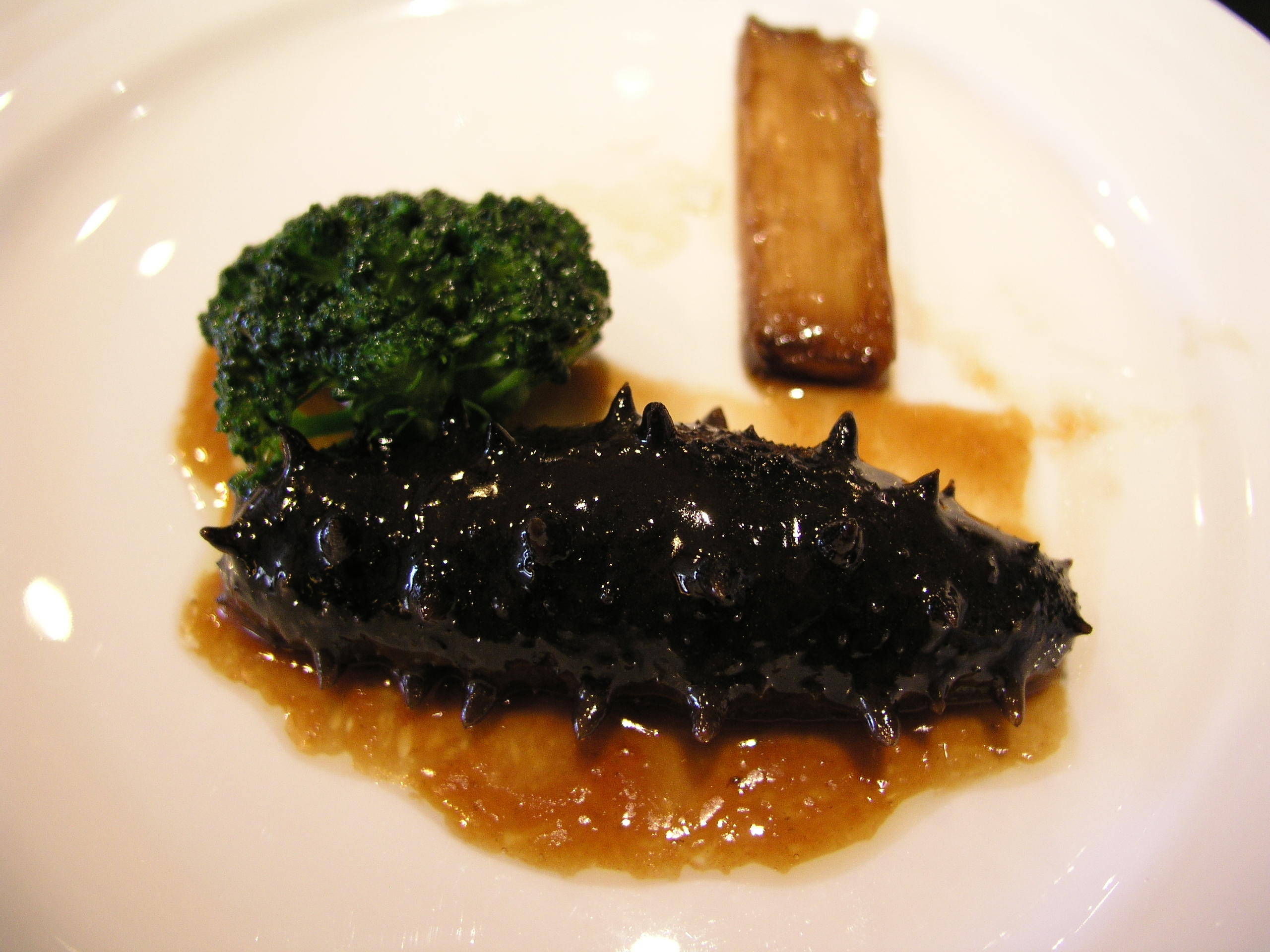
Sea Cucumber: Sea Cucumbers can be found on the bottom of the Sea and must be cleaned first before eating. Sometimes the cleaning process can take all day.
Fried Grasshoppers: One of China's most interesting delicacies. They are often used for protein sources. Although Americans are often put off by the thought of eating a bug, the people of the Eastern world, including China and Korea, see the grasshopper as being delicious, healthy, and even healing in some aspects.
Snake Meat: The breed of snake varies form city to city but water snake and python are the more popular choices. At many restaurants, the customer is able to pick out their own live snake to be prepared.
Starfish fried in Shark Oil: Exactly what is sounds like. Usually popular in more expensive restaurants.